What Is the Legal Drinking Age in Japan? Rules Explained
What is the legal drinking age in Japan? It is 20. Anyone under 20 is prohibited from drinking alcohol, and the rule applies to tourists, students and residents alike.
Because Japan lowered its age of majority to 18 in April 2022, many visitors assume the drinking age dropped with it. It did not. This guide explains the law, how age checks work in shops and bars, what visitors should carry and how Japan compares with other countries.
What is the legal drinking age in Japan?
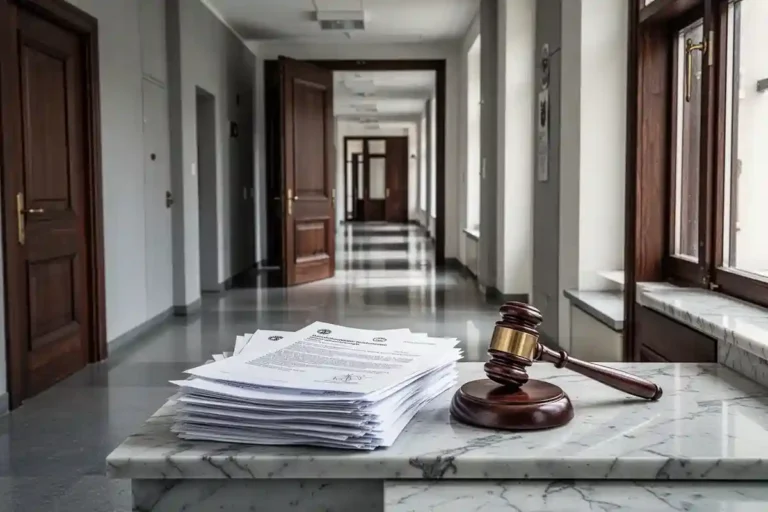
The minimum age is 20 years old. The rule comes from a law usually translated as the Act Prohibiting Minors from Drinking, which dates back to 1922 and is very short. Japan’s own description of the Law for Prohibiting Liquors to Minors states that anyone under 20 full years of age may not drink, and it makes preventing underage drinking a duty of the people with parental authority.
Who the law holds responsible
The law works differently from what many visitors expect. A person under 20 who drinks is generally not punished under it. The responsibility sits with the adults around them.
- Parents and guardians are responsible for preventing minors from drinking.
- Shops and venues that sell or serve alcohol to someone they know is under 20 can be punished, and their liquor license can be put at risk.
- Adults should never buy or hand over drinks for anyone under 20.
Why the drinking age is still 20 after the 2022 change
In April 2022, the age of adulthood in Japan’s Civil Code dropped from 20 to 18. Eighteen and nineteen year olds can now sign contracts and take on other adult responsibilities. The ages for drinking alcohol, smoking and gambling were deliberately left at 20.
That creates a gap that surprises people. Japan lowered its voting age to 18 earlier, in 2016, so an 18-year-old can vote but still cannot legally buy a beer. Visitors from countries where 18 is the drinking age should plan for the difference rather than assume the rules match.
Do the rules apply to tourists?
Yes. The age limit is the same for everyone in Japan, whether you are a tourist, an exchange student or a long-term resident. A visitor who can drink legally at home at 18 or 19 still has to wait until 20 in Japan. There is no tourist exemption and no special rule for hotel bars or festivals.
How age checks work in practice
Enforcement looks different depending on where you buy or order a drink. Alcohol is easy to find in Japan, since convenience stores and supermarkets sell it and many of the stores are open around the clock, but the checks are real.
- Convenience stores and supermarkets: the register usually shows a screen that asks you to confirm you are 20 or older by touching a button. Staff can ask to see ID if they have doubts, but it is not asked every time.
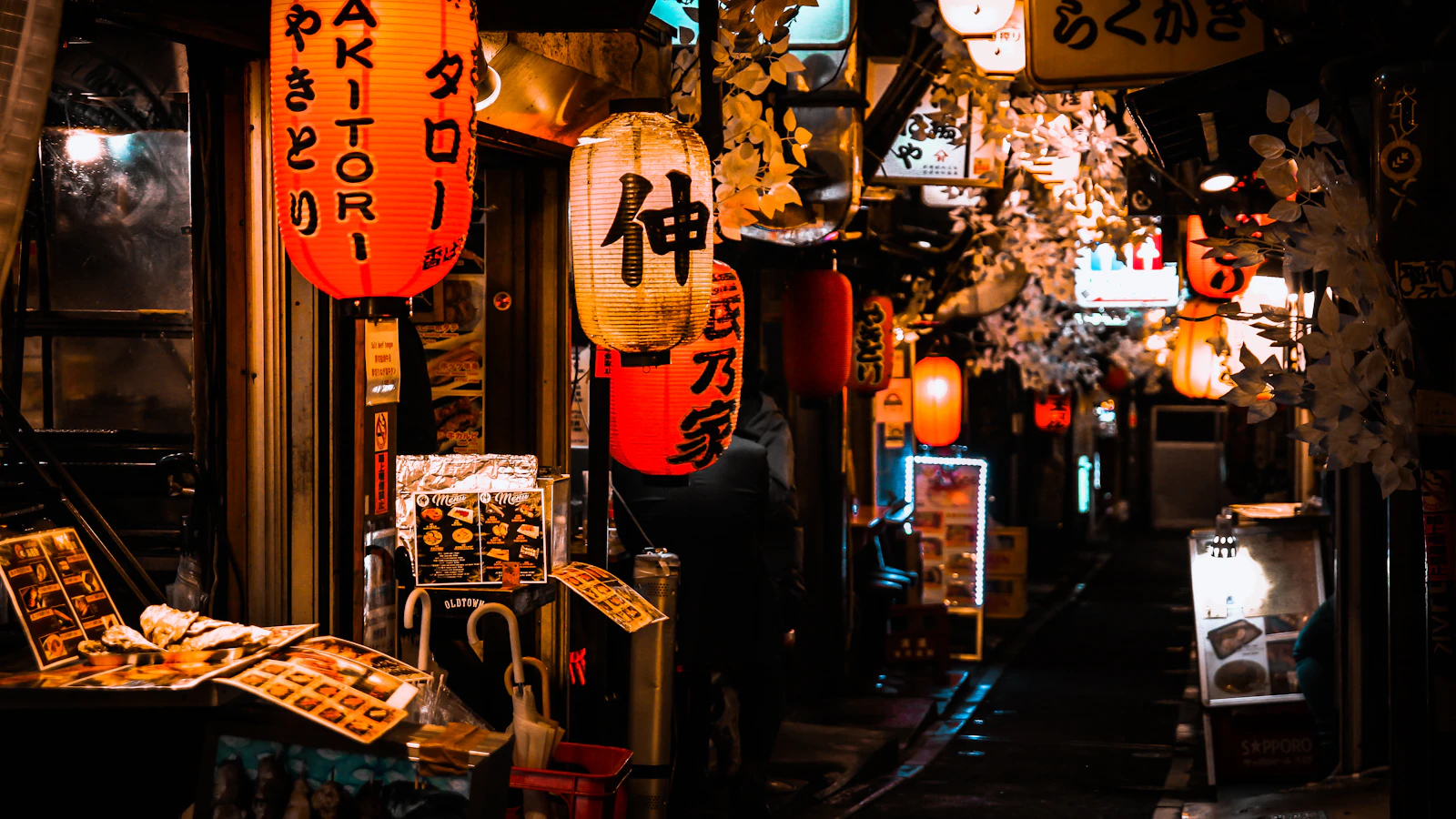
- Izakaya and bars: staff may ask for ID, particularly in busy tourist districts where they cannot judge age by appearance.
- Clubs and late-night venues: expect stricter entry checks, especially in nightlife areas popular with visitors.
- Self-checkout: since 2023, stores that want to sell alcohol at self-checkout must equip registers to scan a driver’s license or My Number Card. Most visitors do not have either, so expect to use a staffed register.
What to carry as a visitor
Carry your passport. It is the most reliable proof of age for a visitor, and a clerk or a police officer will accept it without argument. Residents can show a residence card. If you look young for your age, treat an ID request as routine and not as an insult.
Other rules visitors should know
The drinking age is only one part of Japan’s approach to alcohol. A few other points are worth knowing before you go.
- Drinking in public is generally not illegal, so many people buy a drink at a convenience store and enjoy it nearby. Follow local signs and keep noise down.
- Drunk driving is treated very seriously, and penalties can include up to five years in prison or a fine of up to one million yen.
- The ages for smoking and gambling are also 20.
- Providing alcohol to someone under 20 is a problem for the adult as well as the minor.
If you plan to hire a car after your trip to Japan’s cities, it helps to know how often to rest on long drives, and our guide on how frequently you should take breaks when driving long distances covers it.
How Japan compares with other countries
A drinking age of 20 is higher than in many countries and lower than in the United States. The table below shows a few common examples for beer, wine and distilled spirits.
| Country | Typical legal drinking age |
|---|---|
| Japan | 20 for all alcohol |
| United States | 21 |
| United Kingdom | 18, with 16 allowed for beer or cider with a meal |
| Germany and France | 16 for beer and wine, 18 for spirits |
| Australia, Italy and Spain | 18 |
Laws change and some countries have regional differences, so check the current rule before relying on a table like this one.
Tips for visitors who are 20 or older
- Keep your passport with you whenever you plan to buy or order alcohol.
- Expect an age confirmation prompt at the register and tap it honestly.
- Pace yourself, since many drinks sold in convenience stores are stronger than they look.
- Never buy a drink for a companion who is under 20, even if they ask politely.
- Do not drive after drinking, and plan a train or taxi home in advance.
- If you travel with teenagers, arrange soft drinks and tea for them and leave alcohol off their table.
If you are under 20
The rule is simple: wait. There are good reasons behind the law, and the penalties for the adults and businesses involved are real. Plenty of non-alcoholic options exist in Japan, from barley tea and ramune to alcohol-free beer, so a night out does not have to feel left out.
For more on laws that affect trips abroad, browse our Law guides and our Travel guides.
Frequently asked questions
Is the drinking age in Japan 18 or 20?
It is 20. Japan lowered the age of majority to 18 in April 2022, but the minimum age for drinking alcohol, smoking and gambling stayed at 20. Eighteen and nineteen year olds are adults for most civil purposes but still cannot legally drink.
Can tourists under 20 drink in Japan if it is legal at home?
No. The limit applies to everyone in Japan regardless of nationality, so a visitor who can drink legally at home at 18 or 19 still cannot do so in Japan. Shops and bars are expected to refuse service, and the adults around a minor carry responsibility under the law.
What ID do I need to buy alcohol in Japan?
Carry your passport, the most reliable proof of age for visitors, or a residence card if you live in Japan. Many convenience stores only ask you to tap an age confirmation button, but staff may request ID if you look young or you are in a busy tourist area.
Is it illegal to drink in public in Japan?
Drinking in public is generally not illegal in Japan, and many people buy a drink at a convenience store and enjoy it nearby. Local rules and courtesy still matter, so avoid drinking in places with signs against it, keep noise down and take your trash with you. Drinking under 20 remains illegal anywhere.
Can a parent let a teenager drink in Japan?
No. The law makes parents responsible for preventing minors from drinking, so letting a child under 20 drink is not a loophole, even at home or on holiday. Treat the limit as firm for family trips and arrange non-alcoholic drinks for anyone under 20.
Is the drinking age the same for beer, wine and sake?
Yes. The age limit is 20 for every alcoholic drink, including beer, wine, sake, shochu, whisky and sweet fruit liqueurs such as umeshu. Low-alcohol chuhai cans and highballs sold in convenience stores count too, so the age confirmation applies to them.
Conclusion
The legal drinking age in Japan is 20, and it applies to tourists, students and residents alike, even though the age of majority fell to 18 in 2022. Carry your passport, expect an age confirmation at the register, and keep young travelers away from alcohol. Follow those basics and you can enjoy Japan’s izakaya, sake and convenience store drinks with confidence.

Emily Carter is a writer who enjoys covering the entertainment world, from celebrities and movies to television and pop culture. She focuses on making stories interesting, relatable, and easy to follow.