How Much Does a Highland Cow Cost? Price Guide
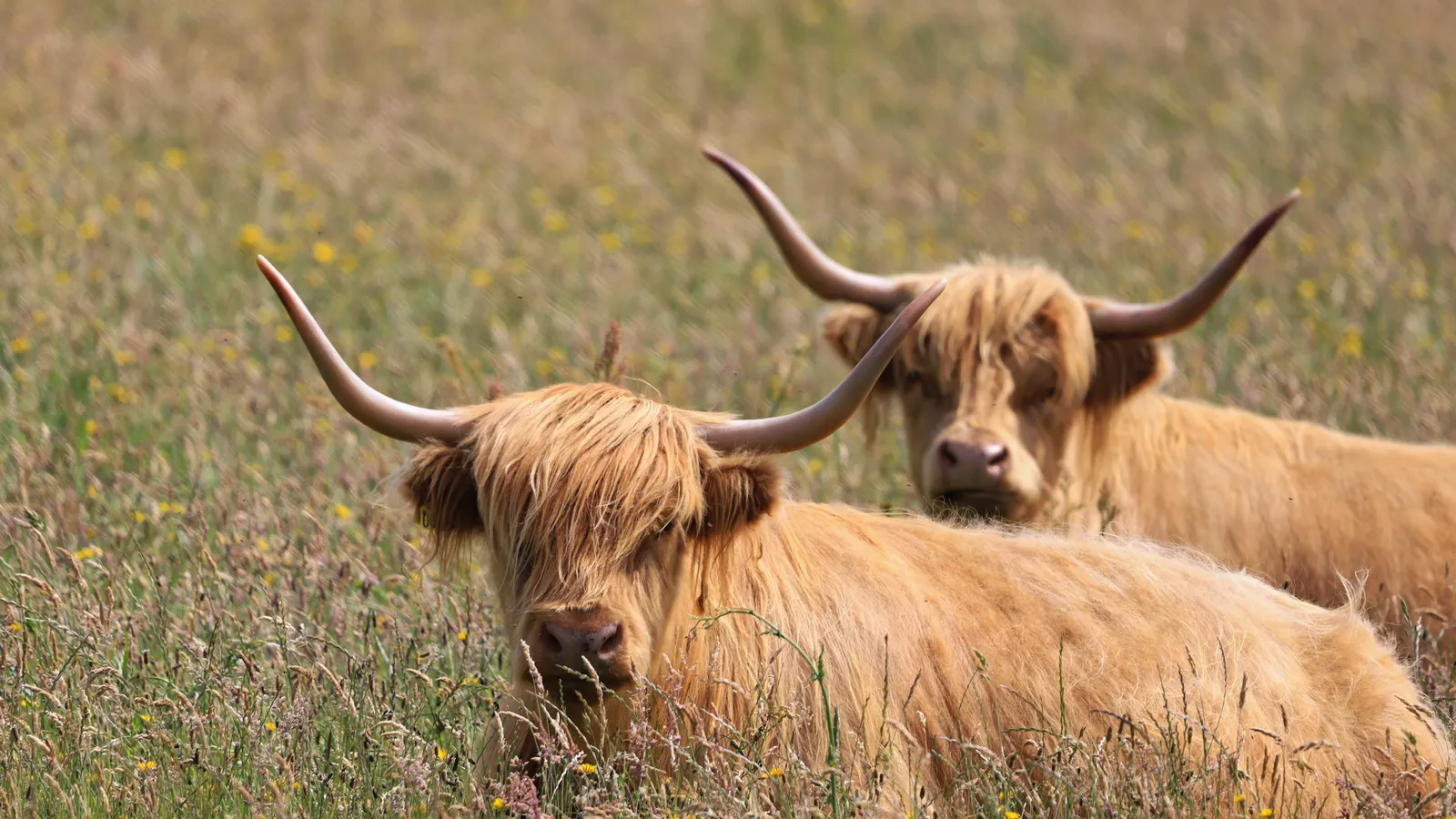
How much does a Highland cow cost? There is no single price, but most full-size Highland cattle sold privately in the United States change hands for somewhere between about $1,500 and $7,000 per animal. Steers sit at the low end, breeding females and proven bulls sit higher, and miniature or show-quality animals can cost far more.
The purchase price is only the first bill, though. This guide breaks down typical prices by type, explains why quotes differ so much, and lists the ongoing costs that catch new owners by surprise.
How Much Does a Highland Cow Cost? Typical Price Ranges
Published buyer guides do not agree with each other, and prices move with demand, region and bloodlines. Treat the figures below as rough ballparks based on commonly quoted US ranges, then compare them with current listings from breeders and breed association sales before you set a budget.
| Type of animal | Commonly quoted range (USD) | Main price drivers |
|---|---|---|
| Steer (pet or beef) | $1,500 to $3,500 | Age, size, temperament |
| Calf | $2,500 to $5,500 | Sex, registration, bloodline |
| Breeding cow or bred heifer | $4,000 to $7,000 | Pedigree, age, calving record |
| Proven bull | $5,000 to $12,000 | Genetics, conformation, temperament |
| Miniature Highland | $2,500 to $6,000 or more | Documented size, demand |
| Show-quality or champion bloodline | $10,000 and up | Show record, pedigree |
Some sellers quote well below these ranges, especially for unregistered or crossbred animals, and a small number of exceptional animals sell for far more.
What UK buyers can expect
In the UK, prices are quoted in pounds and guineas, and the market splits in two. At Scottish auction marts, young Highland-cross store heifers have sold for roughly £460 to £720 per head, while an in-calf Highland-cross cow reached £1,750 in one report. Pedigree sales are a different world. At an autumn Highland sale in Oban, the champion female made 10,000 guineas, and the next best price was 3,600 guineas for a heifer calf. One guinea is worth £1.05, so those figures are slightly higher in pounds.
Why Highland Cow Prices Vary So Much
- Age and sex. Steers cost least because they cannot breed. Proven bulls and productive cows cost the most because they carry genetics forward.
- Registration and bloodlines. A registered animal comes with documented parentage, access to breed shows and a stronger record when you sell its calves. Unregistered animals often cost less, but you cannot rely on their pedigree.
- Size. Miniatures are in high demand among owners with small acreage, and some sell for as much as full-size adults or more.
- Temperament and handling. A calm, halter-trained animal is worth more than one that has rarely been handled.
- Location and transport. Buying across the country adds hauling costs, and cattle raised in a very different climate may take time to adjust.
- Demand. The breed’s popularity online has pushed prices up in recent years, especially for small and photogenic animals.
It helps to understand what you are paying for. The American Highland Cattle Association explains the breed’s double coat, size and calving traits, including that mature cows average about 900 to 1,200 pounds and bulls about 1,500 to 1,800 pounds. UK buyers can read the Highland Cattle Society’s overview of the Highland breed and its Herd Book, which has recorded pedigrees since 1885.
Costs Beyond the Purchase Price
New owners often focus on the sticker price and forget what comes next. These are the main costs to plan for.
Transport
Hauling a heavy animal takes a suitable trailer or a hired livestock hauler. If you plan to collect your animals yourself, a long drive with a trailer needs planned stops, and our guide on how often to take breaks when driving long distances covers how to schedule them safely.
Fencing and handling facilities
Secure fencing and clean water come first. You also need a safe way to catch and hold a horned animal when the vet visits, such as a squeeze chute or sturdy pen. Buying good cattle into a place that cannot hold them is one of the costliest mistakes new owners make.
Feed and forage
Highlands are excellent foragers and do well on pasture, but grass does not last all year in most regions. Plan for hay or other winter forage, and expect costs to vary widely by location and season.
Shelter
The double coat reduces the need for expensive barns, so many owners get by with a windbreak or simple shelter. A dry, sheltered spot is still sensible for calving and bad weather.
Veterinary care and paperwork
Budget for routine vaccinations, parasite control, emergency calls and any registration or transfer fees. Ask your local vet which health protocols apply in your area.
Buy at least two
Cattle are herd animals, so a single Highland is usually unhappy on its own. Most breeders advise buying at least two, which doubles the purchase price but gives the animals company.
How Highland Cows Compare With Other Cattle
Highland cattle usually cost more than common commercial beef breeds. That reflects their rarity, their appeal to small farms and hobby owners, and the demand for registered breeding stock. In return, they offer hardiness, longevity and an easygoing nature. Cows are known for calving ease, with calves that are often only 60 to 70 pounds at birth, and many cows keep producing into their late teens, which reduces how often you need to replace breeding stock.
Where to Buy Highland Cattle
- Private breeders. Buying straight from a farm usually gives you the most information, including the herd’s health history and the parents of the animal.
- Breed association sales and classifieds. National and regional associations list animals for sale and run shows and sales, which makes comparing prices easier.
- Dispersal sales. When a breeder sells an established herd, you may find quality animals, but you should price in unknowns such as health history.
- Livestock auctions. Auctions can offer lower prices, but you often get less information about handling and pedigree.
Highlands are raised in all fifty states, but it is best to buy cattle from a climate similar to your own. Whichever route you choose, visit the animals in person, ask to see registration papers, and confirm vaccination and health records before paying a deposit.
How to Budget Before You Buy
- Decide your purpose. Pets, grazing companions, beef and breeding stock all call for different animals and prices.
- Set a purchase range. Use the ranges above, then check several current listings to see what sellers near you ask.
- Price your setup. Add fencing, water, handling facilities and shelter before you add the animals.
- Add annual running costs. Include forage, veterinary care, transport and registration fees for each animal.
- Keep a reserve. Leave room in the budget for emergencies, repairs and an unexpectedly bad hay year.
For more practical buying guides, browse the Lifestyle section of the site.
Frequently asked questions
How much does a baby Highland cow cost?
Quoted prices for Highland calves commonly start around $2,500 and can pass $5,500, depending on registration, sex and bloodline. Some sellers charge less for unregistered calves. Remember that a young calf also needs more time and care than an older animal.
How much does a miniature Highland cow cost?
Many guides quote about $2,500 to $6,000 for a miniature, and demand can push good animals higher. Ask for documented parentage and an adult size estimate, because a small calf is not always a small adult.
Are Highland cows expensive to keep?
They are often cheaper to house than other breeds, since the double coat reduces the need for expensive barns and shelters. Feed, fencing, handling equipment and veterinary care still add up, and the costs depend mainly on your land and region.
Can you keep one Highland cow as a pet?
Cattle are herd animals, so most breeders advise buying at least two. Highlands tend to be docile, but they are large animals with horns, so you need secure fencing and a safe way to handle them.
How long do Highland cows live?
Highland cows are known for longevity, and many keep breeding into their late teens. Good care, sound genetics and a suitable environment all affect how long an individual animal lives, so ask the seller about the age and history of any older cow.
Is a registered Highland worth the extra cost?
Registration gives you a pedigree, access to breed shows and a stronger record when you sell offspring. If you plan to breed, it usually pays to buy registered animals. If you only want grazing companions, a lower-cost animal may do the job.
How much does a Highland steer cost?
Steers are usually the cheapest Highland cattle to buy because they cannot breed. Quoted prices commonly run from about $1,500 to $3,500, depending on age, size, temperament and where you buy.
Where can I find Highland cows for sale?
Start with breed association classified ads and breeder directories, then check regional breeder clubs and livestock auctions. Visit the farm, ask to see registration papers, and compare several sellers before you pay a deposit.
Conclusion
A Highland cow can cost anywhere from a couple of thousand dollars for a steer to well over $10,000 for show-quality breeding stock, and the purchase price is only part of the bill. Budget for transport, fencing, feed and veterinary care, buy from a seller who can show pedigree and health records, and plan on keeping at least two animals.

Emily Carter is a writer who enjoys covering the entertainment world, from celebrities and movies to television and pop culture. She focuses on making stories interesting, relatable, and easy to follow.